projects / wild-yeast-zoo
> --status=fermenting
Wild Yeast Zoo
A synthetic biology spin-out building a Nagoya Protocol-aligned library of wild Australian yeasts and bacteria, collected with the public through citizen science.
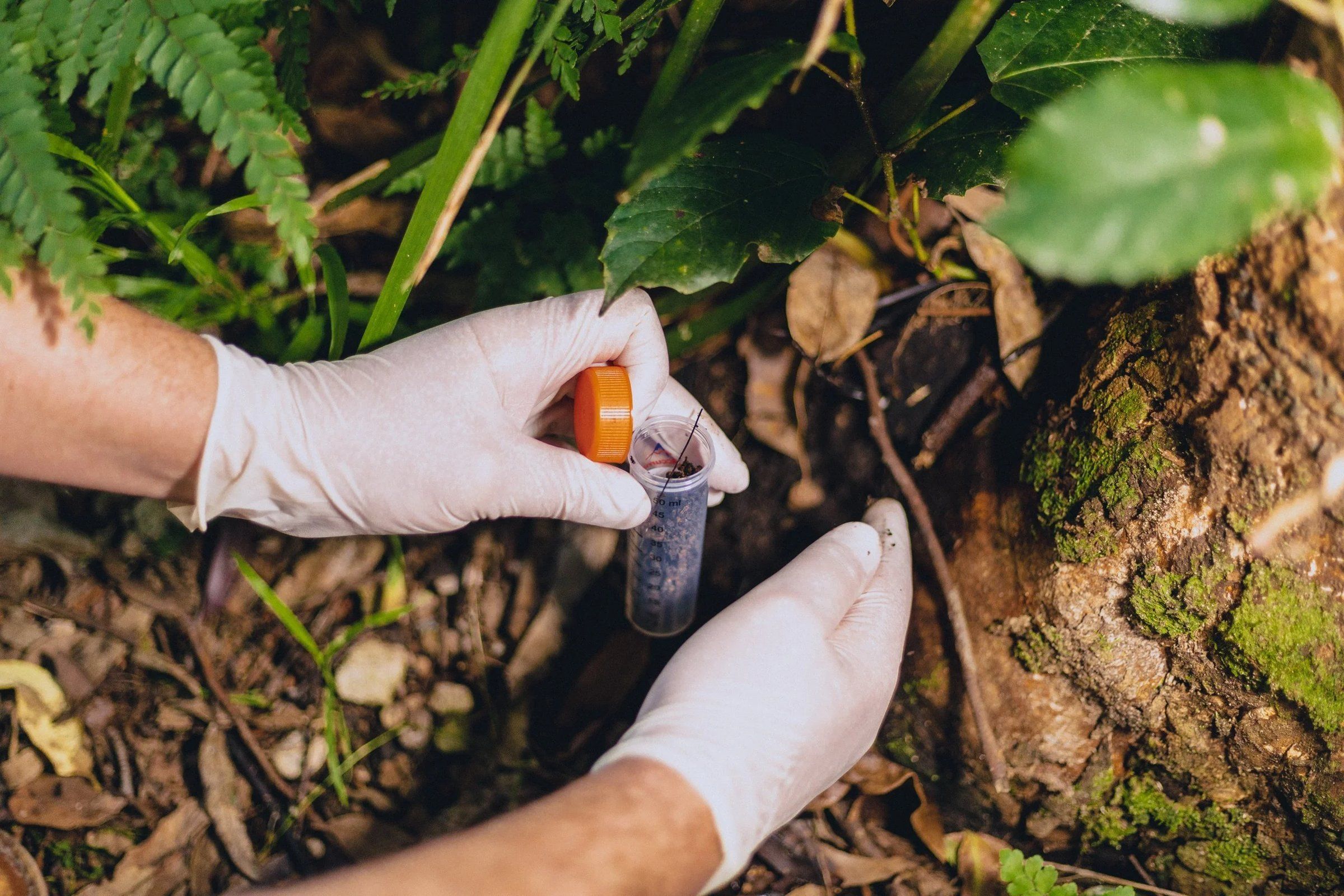
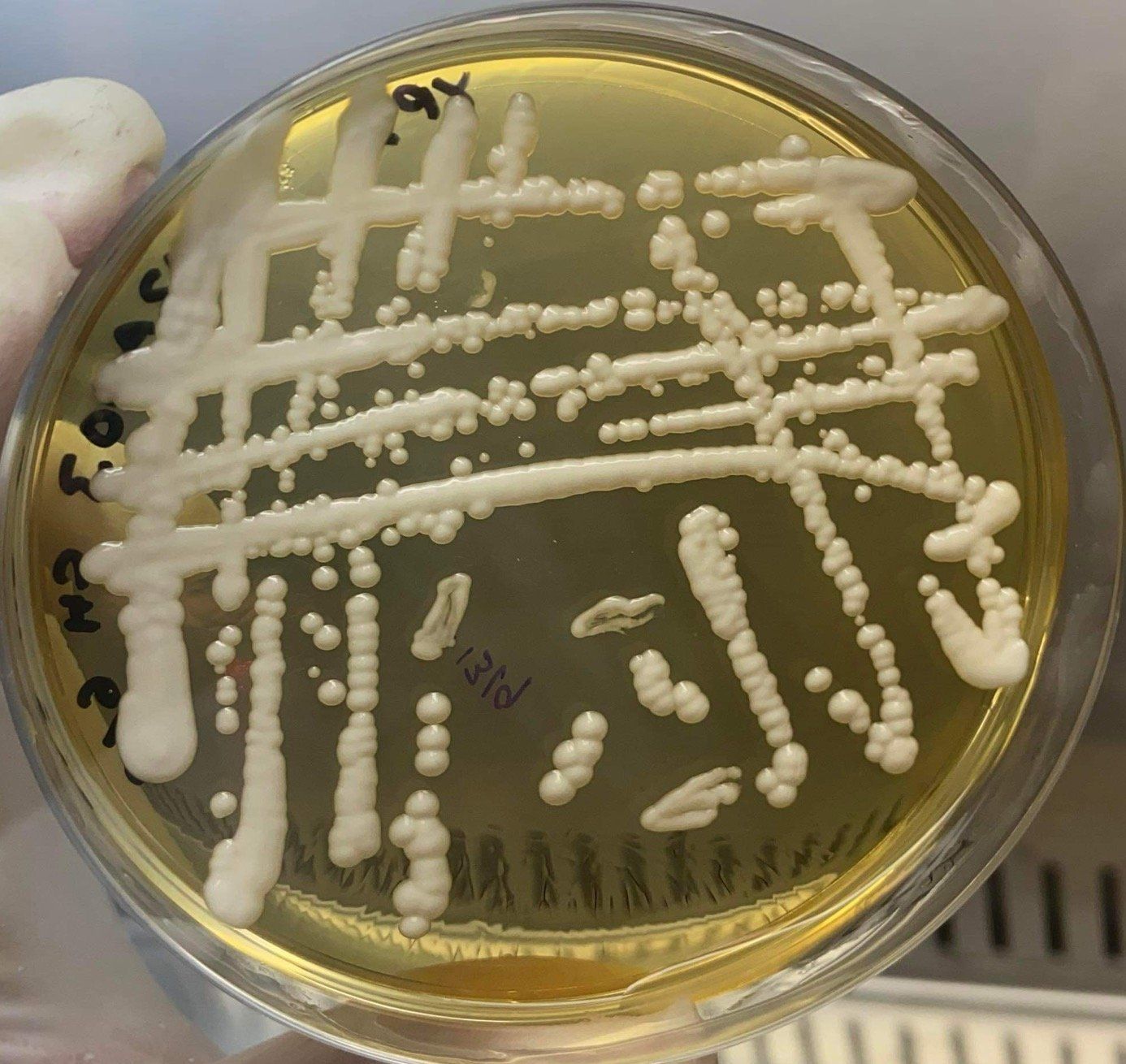
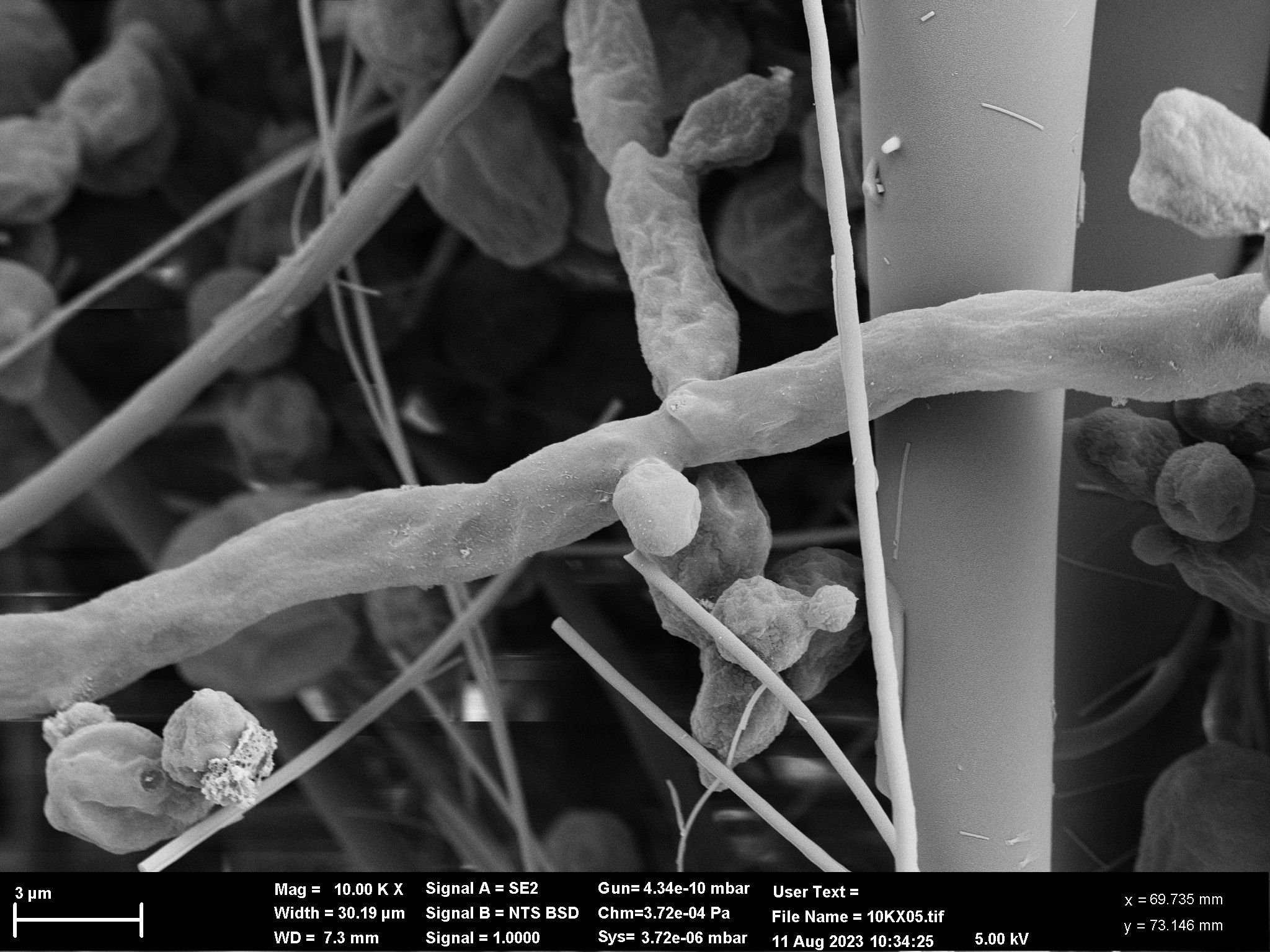
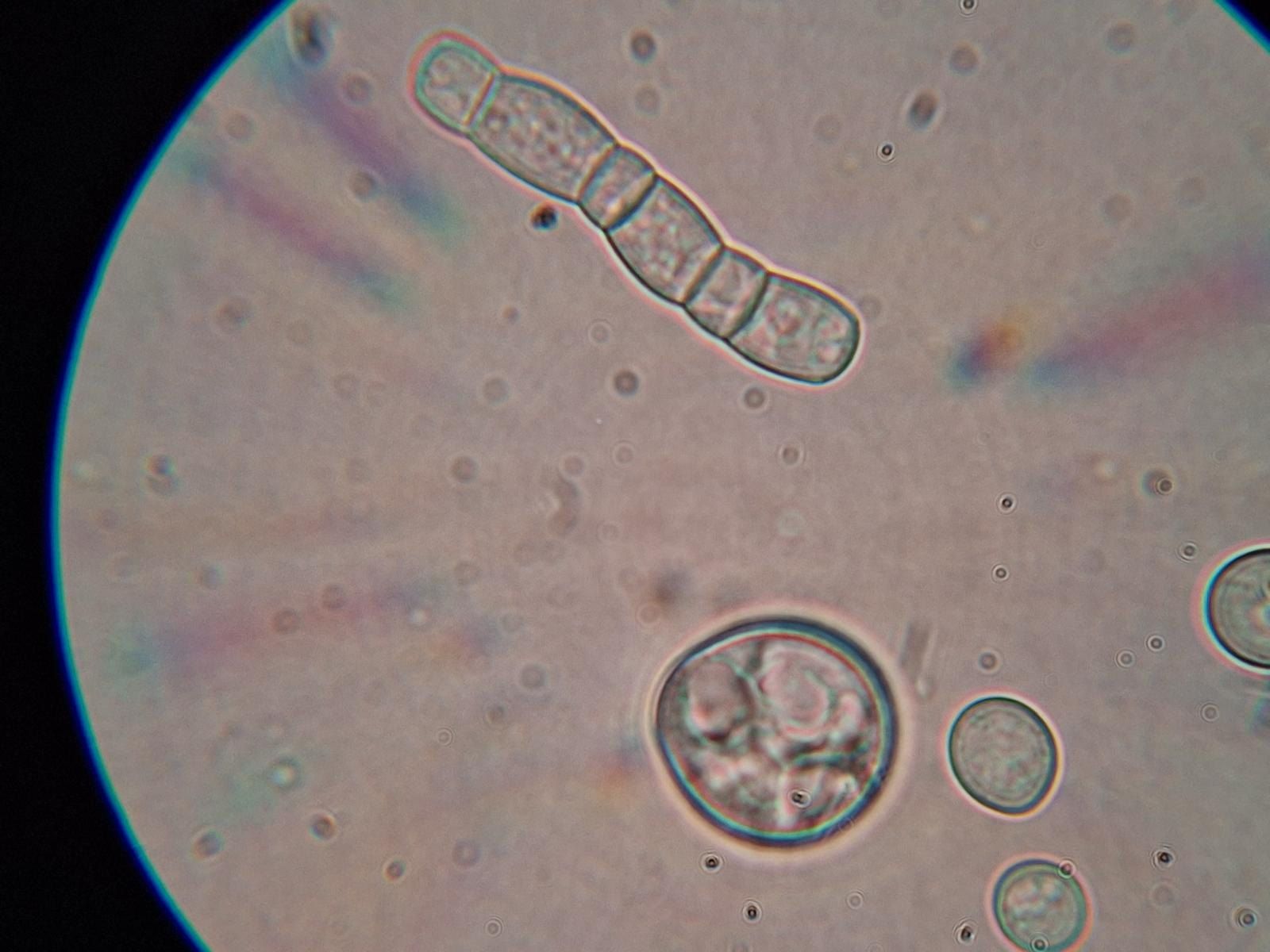
Wild Yeast Zoo started with a simple question about what is living on the plants, bark and soil around us, and what it might be good for. I co-founded the company in 2022, and it has grown into a University of Newcastle synthetic biology spin-out that holds a Nagoya Protocol-aligned library of wild Australian yeasts and bacteria.
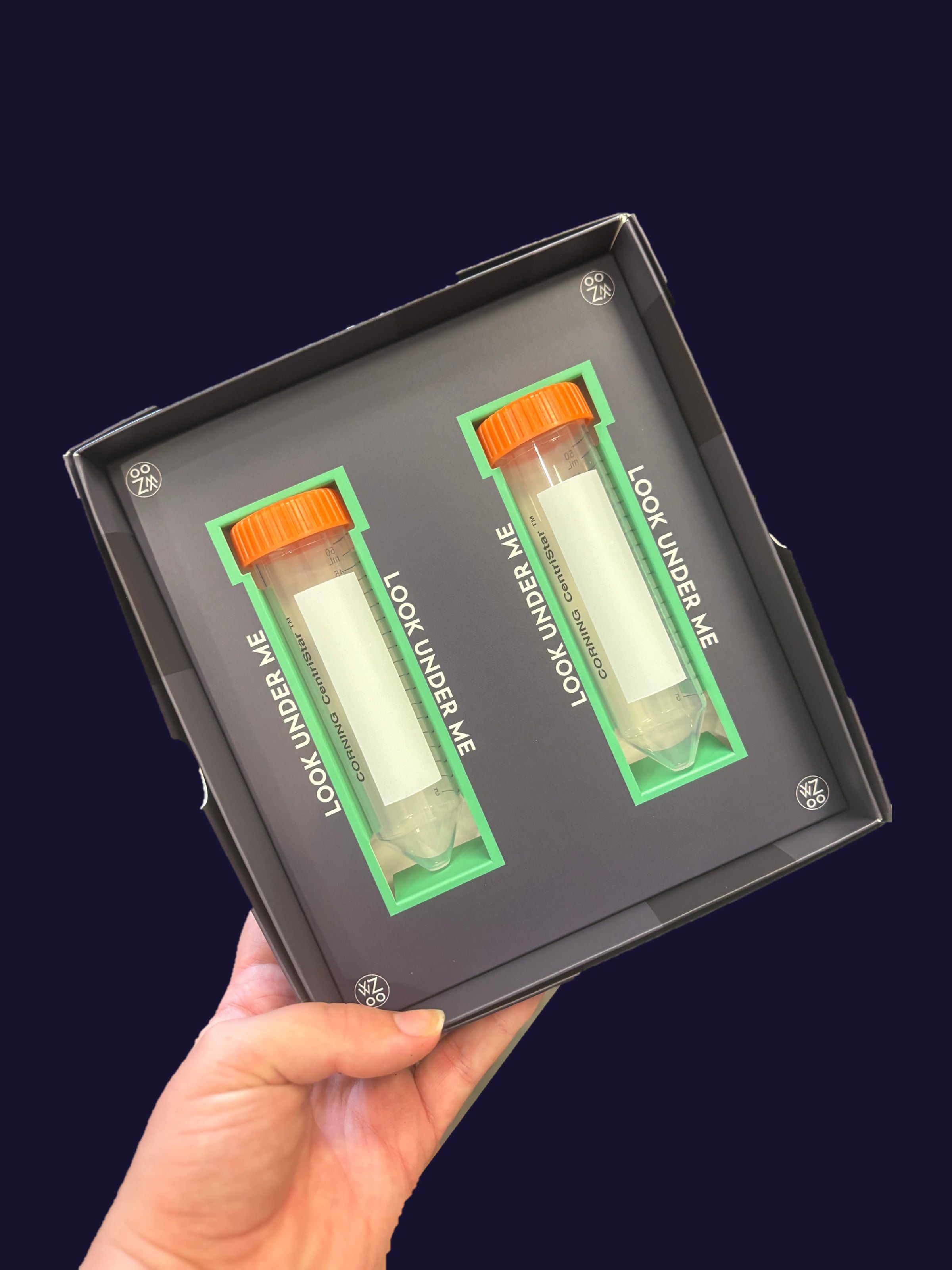
The microbes are collected with the public. On sampling tours at Woodford Folk Festival, festival-goers walked into the trees with sample tubes and heard why the microbes of an Australian forest might matter for food, fuel and materials. Collection on Country happens under a Memorandum of Understanding with the Awabakal Local Aboriginal Land Council, built around the Nagoya Protocol and Indigenous data sovereignty.
I lead the company’s commercial strategy, partnerships and funding, and took it through CSIRO’s ON program and the I2N Cleantech Accelerator. The lead application is lipid-producing yeasts for renewable diesel in heavy transport, and the team is building an AI program that predicts useful traits across the library, so the most promising strains reach the bench first through our technology pipeline.
The company is also part of my research on what changes when a media and communication academic joins a science team at the start of a project.
How this connects
Something wild gets collected, given the right conditions and turned into something useful.
Outcomes
- CSIRO ON Accelerate, all goals and stretch goals met, with a performance bonus of about $150,000 (2023)
- I2N Cleantech Accelerator graduate, with a $20,000 performance bonus (2024)
- College Excellence Award for Research Engagement and Translation, University of Newcastle (2024)
- Australian Government Department of Education (AEA Ignite) project, $204,106 (2025–26)
- Public lectures, workshops and citizen-science sampling tours at Woodford Folk Festival
Gallery
Related publications
Matthews, B. (accepted). Fear of synthesis: Microbes, citizen science, and the nature–culture dialectic. In D. Fulvi & H. Dixson (Eds.), Philosophical, ethical, and social challenges of synthetic biology. Palgrave Macmillan.
Matthews, B., Gibbs, E., Cain, A., Hassan, K., & Lean, C. (2025). Transdisciplinarity and the role of creative industries in science and technology research teams. In The elephant's leg II (pp. 11–26). Common Ground.
Matthews, B. (Think tank leader). (2025). Integrating transdisciplinary collaboration for sustainable industrial innovation through synthetic biology [Think tank report]. ARC Centre of Excellence in Synthetic Biology Annual Conference, Wollongong, December 2024.
Nearby in orbit
> --status=writing-up --reviewer2=pending
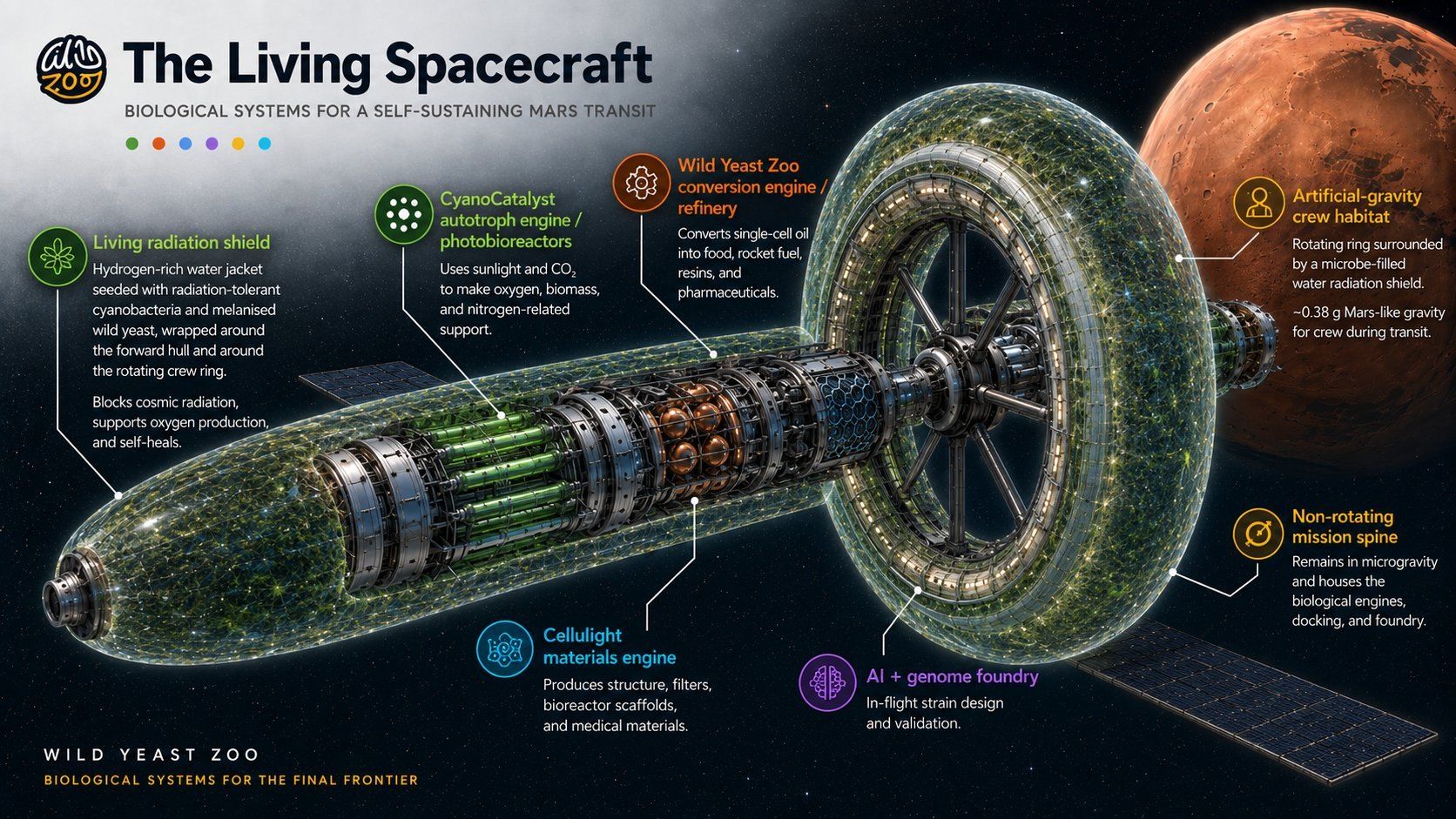
The Living Spacecraft
A speculative design project that imagines a spacecraft grown from living systems, and uses it to bring microbiology, space science, design, ethics, law and Indigenous knowledge into one conversation.
Speculative design that puts scientists, designers, lawyers and Indigenous knowledge holders around one problem.
> --status=under-wraps
Cellulight
A research project where optogenetics meets textiles, growing bacterial cellulose that responds to light.
Communication and business development inside a synthetic biology research team.
> --status=medal_secured --colour=silver
iGEM with the DeNovocastrians
A multidisciplinary student team that engineered bacteria to detect, take up and break down benzene, and won a Silver Medal at the international iGEM synthetic biology competition.
Biology, law, maths, media and illustration students on one synthetic biology team.